Landmark Verdict Finds Live Nation Operated as an Illegal Monopoly, Paving the Way for a Potential Ticketmaster Split
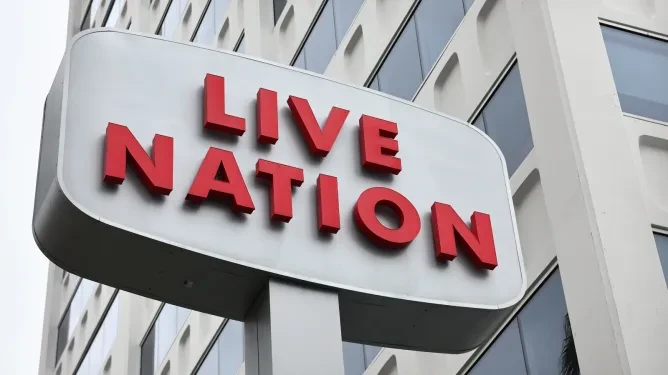
On Wednesday, a federal jury delivered a landmark ruling finding entertainment conglomerate Live Nation guilty of operating as an unlawful monopoly. The decision opens the door to splitting the industry giant apart from its ticketing subsidiary Ticketmaster, a change that would bring long-sought relief to concert fans fed up with exploitative dynamic pricing and unexplained hidden service charges.
The verdict followed the release of damaging internal evidence during the trial: private Slack messages that captured Live Nation employees joking openly about exploiting customers. Prosecutors pointed to one exchange centered on event parking pricing as an unvarnished look at the company’s core attitude toward its paying customer base.
Wednesday’s ruling marks the newest development in a sprawling legal battle that launched in 2024, when the U.S. Department of Justice (DOJ) alongside 40 state attorneys general filed suit against Live Nation over allegations of systemic anticompetitive conduct. Live Nation and Ticketmaster first merged in 2010, creating a behemoth that eventually grew to control the vast majority of concert ticket sales and major venue bookings across the United States, per the original suit. That outsized market power squeezed out would-be competitors, leaving customers with no alternative but to accept Live Nation’s controversial pricing structures. Critics argue these models boost the company’s profits rather than putting more earnings in the pockets of performing artists.
Just last month, the DOJ reached a tentative settlement agreement with Live Nation, even as a separate state-led trial was already in progress. Thirty-four of the participating state attorneys general chose to move forward with their case anyway, leading to Wednesday’s jury verdict.
During the high-profile public trial, the inflammatory messages were revealed to be exchanged between two current senior Live Nation leaders: Ben Baker, now head of ticketing for Venue Nation, and Jeff Weinhold, a senior director in the company’s ticketing division.
“These people are so stupid,” Baker wrote in a conversation about raising parking prices for events. “I almost feel bad taking advantage of them BAHAHAHAHAHA.”
In a follow-up exchange also focused on parking pricing, Baker added: “Robbing them blind baby.”
Sponsored Promotion
Meet your next investor or portfolio startup at Disrupt
Your next funding round. Your next key hire. Your next breakout opportunity. Find it at TechCrunch Disrupt 2026, where 10,000+ founders, investors, and tech leaders gather for three days of 250+ tactical sessions, powerful introductions, and market-defining innovation. Register now to save up to $410.
Meet your next investor or portfolio startup at Disrupt
Your next funding round. Your next key hire. Your next breakout opportunity. Find it at TechCrunch Disrupt 2026, where 10,000+ founders, investors, and tech leaders gather for three days of 250+ tactical sessions, powerful introductions, and market-defining innovation. Register now to save up to $410.
In response to the messages, Live Nation pushed back, framing the remarks as nothing more than “off-the-cuff banter, not policy, decision-making, or facts of consequence.”
Under the tentative DOJ settlement reached last month, Live Nation would be required to pay a $280 million fine and sell off at least 13 of its owned venues, with a mandate that those properties accept event bookings from competing independent promoters. But given the jury’s formal finding that Live Nation operated as an illegal monopoly, the eventual penalties for the company could end up far more severe.
The path forward remains unclear. Judge Arun Subramanian will hold future proceedings to determine what formal remedies will be imposed, and the possibility of a full legal breakup of the combined Live Nation and Ticketmaster entity remains on the table.
Landmark Verdict Finds Live Nation Operated as an Illegal Monopoly, Paving the Way for a Potential Ticketmaster Split