Apple Cracks Down on Vibe-Coding Apps, Blocking Updates and Removing Titles From the iOS App Store
Apple has enacted a strict new policy targeting so-called vibe-coding apps, pulling some tools from the App Store and halting new update approvals for others in the fast-growing category. High-profile apps impacted by the crackdown include Replit, Vibecode, and app-building platform Anything. While Replit and Vibecode have only had new update submissions put on hold, Anything has already been removed from the App Store twice. In response to the restrictions, the team behind Anything has already begun developing alternative access routes for users, including a standalone desktop version of its service to keep supporting mobile app development.
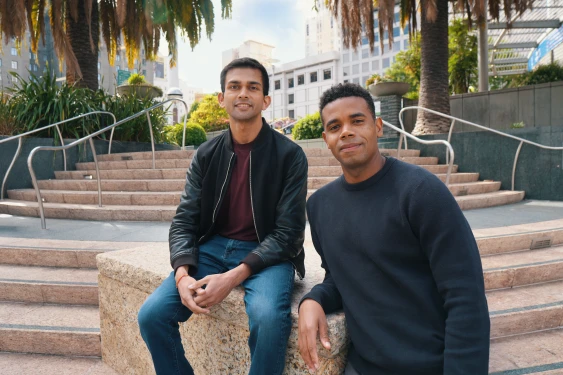
Anything co-founder Dhruv Amin shared details of the ongoing clash with Apple in an interview with TechCrunch, confirming the app was first removed from the store on March 26. Since that initial takedown, the startup has been unable to secure permanent re-approval, even after a short window where the app was briefly restored to the platform.
“It’s been a long saga. We built a mobile app primarily to let our users who are building iOS apps preview their own app on their own device while developing it. [We] had no problems through December. Post December, we and everyone else in the category started getting our updates blocked,” Amin told TechCrunch.
Amin explained that Apple notified the company the app was restricted or removed over a violation of clause 2.5.2 in Apple’s developer agreement, a rule that prohibits apps from downloading, installing, or executing unvetted external code. Per a screenshot of Apple’s notification shared by Anything on X, Apple told the startup: “The app markets itself as a mobile app builder for iPhone and advertises making native iOS apps with features like 1-tap App Store submissions, code export, and full source code editing.”
When the team secured a direct call with Apple’s review team, Amin said the company clarified that the vibe-coding app was targeted over security risks. Apple argued the tool could potentially be used to distribute malicious code to user devices, and added that bad actors could build a harmful app through the platform, sideload it onto an iPhone, and falsely claim the app had already passed Apple’s official App Review process.
Anything’s app was briefly restored to the App Store on April 3, but the reprieve did not last. Apple pulled the app again almost immediately, telling the startup it was not allowed to market itself as an app-building tool on the iOS platform.
TechCrunch has reached out to Apple for public comment on the series of removals, and says it will update the story if it receives a response from the company.
Following its months-long dispute with Apple, Anything’s developers have pivoted to alternative ways to serve users looking to build mobile apps. Earlier this month, the company launched a new feature that lets users build apps that run natively on Apple’s iMessage platform. It also plans to release a companion desktop app that allows users to build and test mobile apps via vibe-coding directly on their computers, circumventing App Store restrictions for the core tool.
Amin added that the startup is also considering shifting more of its development focus to Google’s Android ecosystem long-term, noting that Android’s open platform has far fewer restrictions on developer tools than iOS.
Vibe-coding developers are not the only critics of Apple’s recent crackdown. Epic Games CEO Tim Sweeney, a longtime vocal opponent of Apple’s App Store policies, has publicly pushed back against the new restrictions. Replying to Replit CEO Amjad Masad on X, Sweeney wrote that Apple needs to “stop blocking development tools apps ASAP.”
Earlier this month, The Information reported that the boom in AI-powered coding tools has driven an 84% jump in quarterly app submissions to Apple, a surge that may force the company to revise its traditional human-led App Review process. As AI-assisted coding grows more mainstream, analysts note consumer demand for on-device app creation will likely increase, putting more pressure on Apple to relax its current restrictive policies for development tools.
Apple Cracks Down on Vibe-Coding Apps, Blocking Updates and Removing Titles From the iOS App Store