Jack Clark, co-founder of AI developer Anthropic and Head of Public Benefit at Anthropic PBC, has confirmed that his company provided formal briefings on its newly unveiled Mythos AI model to the Trump administration during its tenure.
Unveiled publicly just last week, the Mythos model is being fully withheld from public release over major safety concerns. The primary restriction stems from the model’s unusually potent cybersecurity capabilities, which developers say could be easily exploited for malicious activity if released widely.
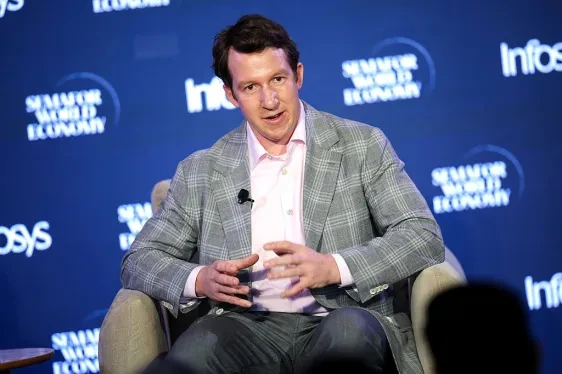
Speaking in an on-site interview at this week’s Semafor World Economy Summit, Clark laid out the logic behind Anthropic’s seemingly paradoxical stance: the startup maintains active engagement with the U.S. federal government even as it pursues legal action against a key federal agency.
The ongoing legal dispute dates back to March, when Anthropic filed a lawsuit against the Trump-era Department of Defense (DOD) after the agency labeled the AI company a supply chain security risk. The conflict grew out of core disagreements over whether the U.S. military should be granted unfettered access to Anthropic’s core AI systems, with planned military use cases including mass surveillance of American citizens and the development of fully autonomous weapons. The DOD ultimately awarded the contested contract to Anthropic’s competitor OpenAI.
At the summit, Clark downplayed the severity of the DOD’s supply chain risk designation, framing the conflict as nothing more than a narrow contracting disagreement. He emphasized that the dispute would not undermine Anthropic’s long-stated commitment to supporting U.S. national security goals.
“Our position is that the government needs full visibility into cutting-edge AI development, and we have to build new models for partnership between the public sector and private AI companies. Private sector innovation is revolutionizing the global economy, but these new technologies also carry major implications for national security, public stakeholder interests, and a wide range of other priorities. So of course we briefed the administration on Mythos, and we will continue to share details with the government about all future models we develop.”
Clark’s confirmation comes on the heels of reports published last week indicating that Trump administration officials had encouraged major U.S. financial institutions — including JPMorgan Chase, Goldman Sachs, Citigroup, Bank of America, and Morgan Stanley — to run tests on the Mythos model.
Beyond the Mythos and DOD dispute, Clark also addressed a range of broader societal impacts of AI during the interview, including AI’s effect on employment and the future of higher education.
Anthropic CEO Dario Amodei has previously issued a stark warning that rapid advances in AI could push U.S. unemployment up to levels not seen since the Great Depression. Clark pushed back slightly on this grim projection, explaining that Amodei’s forecast is rooted in his belief that AI will become far more powerful far faster than most mainstream analysts currently expect.
Clark, who leads an in-house team of economists at Anthropic, said the company’s ongoing research has so far only identified “some potential weakness in early graduate employment” across a small handful of select industries. Even so, he noted that Anthropic is already preparing contingency plans in case large-scale labor market shifts emerge as AI grows more capable.
When pressed to name which college majors current students should prioritize or avoid amid AI-driven disruption, Clark declined to give specific recommendations, instead offering broad guidance. He argued that the most valuable areas of study are those that build skills in cross-disciplinary synthesis and analytical problem-solving.
“AI already gives us on-demand access to effectively unlimited expertise across every individual domain. The truly critical skill that sets human workers apart is knowing the right questions to ask, and having the intuition to recognize what valuable new insights can emerge when you combine disparate ideas from many different fields.”
Anthropic co founder confirms the company briefed the trump administration on mythos