AI-Generated Code Overload: Startup Gitar Emerges From Stealth With $9M To Fix The Problem With AI
The rise of "vibe coding" has led AI coding agents to flood corporate engineering teams with an unprecedented volume of new code, leaving most organizations struggling to manage the growing backlog of quality checks. This sudden, overwhelming surge of unvetted code has been coined "code overload."
Industry reports confirm AI-generated code often introduces critical flaws — from hidden bugs to widespread quality gaps — that require senior engineers to spend hours fixing before the code can ever be shipped to end users. Now, one new startup is tackling this problem with the very technology that created it: AI.
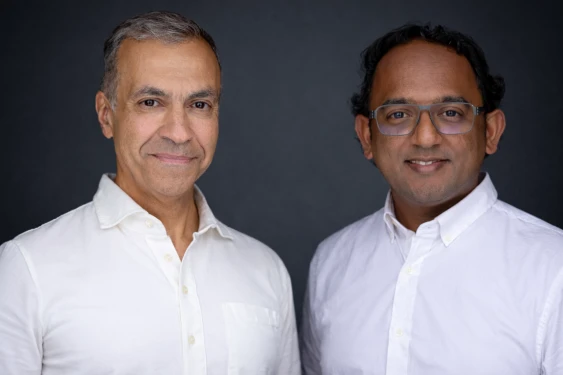
Gitar, a two-year-old startup founded by Ali-Reza Adl-Tabatabai, a veteran engineer and executive with previous tenures at Intel Labs, Google, and Uber, exited stealth mode Wednesday with a $9 million early funding round led by Venrock, with participation from Sierra Ventures. The company is based in San Mateo, California.
Gitar operates on a subscription model for its AI-powered development platform, which deploys custom AI agents to handle a full suite of code quality operations. Its out-of-the-box capabilities include automated code reviews and continuous integration (CI) workflow management — the automated process of regularly merging and testing new code changes to keep a codebase stable and up to date. The platform also allows engineering teams to build their own custom AI agents, which can carry out tailored security scans and routine maintenance work on their behalf.
AI-generated code has created a cascading workload for development teams, Adl-Tabatabai, Gitar's CEO, told TechCrunch. "It means more code to review, more tests to write, more CI failures to diagnose," he explained.
Gitar's core mission is end-to-end code validation, he said, a process that guarantees code built inside enterprises is production-ready. "AI generation produces code; validation makes it trustworthy. Gitar is the workflow agent that owns that process, orchestrating reviews, tests, and diagnostics from start to finish," he added.
Looking forward, Adl-Tabatabai predicts automation will take on an increasingly comprehensive role in software development. "Right now, code that gets shipped into production involves human review, and there are good reasons for that, right? You want to make sure that there's oversight, and humans are checking to make sure that nothing bad is being shipped."
His long-term vision cuts human code review down to a minimal part of the development process, letting companies rely on Gitar's platform to handle validation and ship product far faster. "We have a validation agent that can automatically ensure that your code is safe to ship, and involves humans only in exception cases," Adl-Tabatabai claimed.
Meet your next investor or portfolio startup at Disrupt
Your next round. Your next hire. Your next breakout opportunity. Find it at TechCrunch Disrupt 2026, where 10,000+ founders, investors, and tech leaders gather for three days of 250+ tactical sessions, powerful introductions, and market-defining innovation. Register now to save up to $410.
Meet your next investor or portfolio startup at Disrupt
Your next round. Your next hire. Your next breakout opportunity. Find it at TechCrunch Disrupt 2026, where 10,000+ founders, investors, and tech leaders gather for three days of 250+ tactical sessions, powerful introductions, and market-defining innovation. Register now to save up to $410.
The automated code review space already has no shortage of established competitors, but Gitar plans to stand out through its singular focus on solving post-generation code quality problems. "Most of the market chased [code] generation. We didn't," Adl-Tabatabai said. "Gitar is built around what happens after code is written."
The new funding will be used to expand Gitar's engineering and product teams, while the company scales its infrastructure to deliver its services to enterprise customers at scale.
AI-Generated Code Overload: Startup Gitar Emerges From Stealth With $9M To Fix The Problem With AI