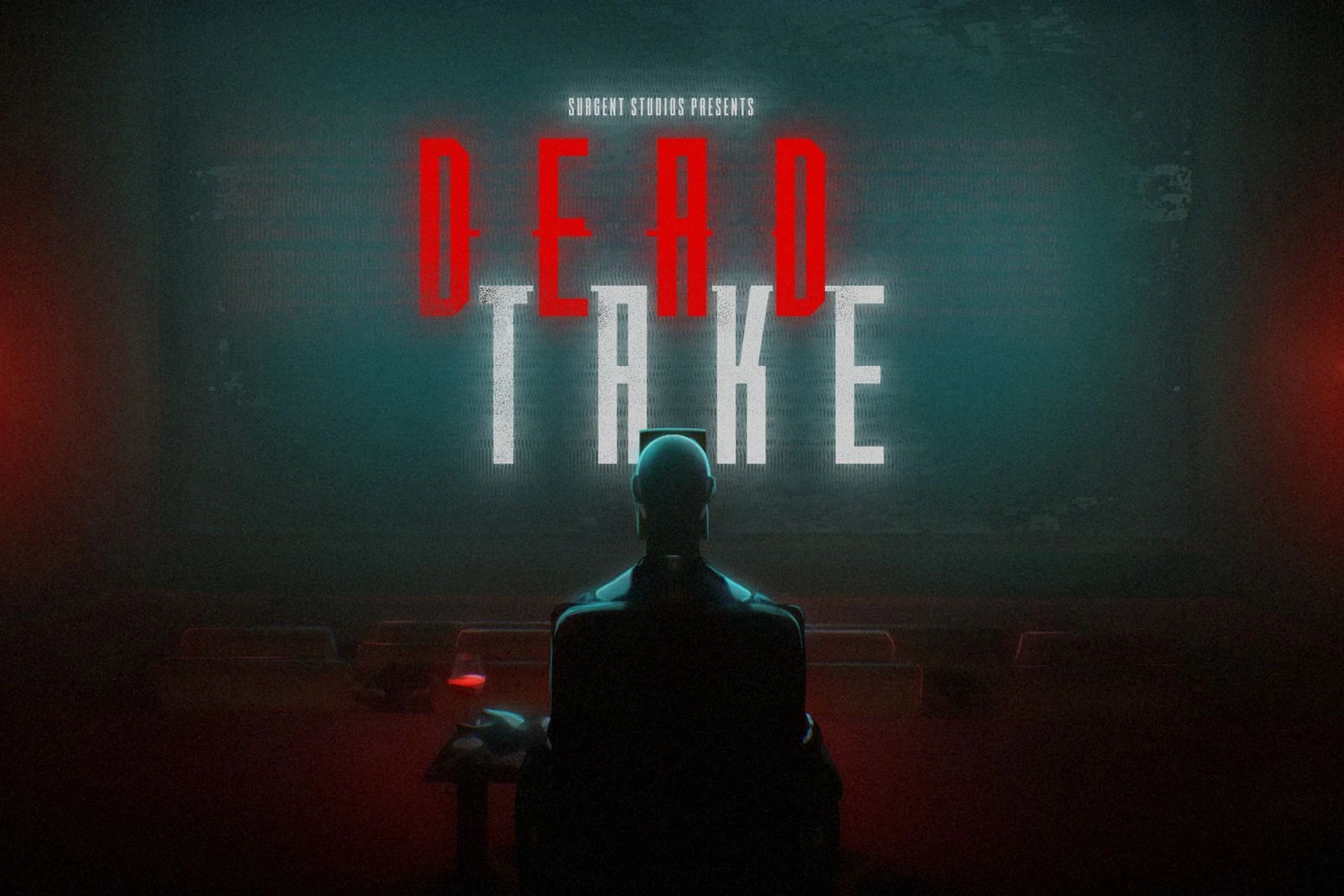
Game Developer Bennett Foddy's Exploration of Masculine Ideals in Baby Steps
I. The Playtesting Incident and the Birth of Baby Steps
Game developer Bennett Foddy witnessed a compelling scenario unfold during a playtest of his latest project, Baby Steps. A playtester was attempting to maneuver the game's protagonist, Nate, a 35 - year - old "failson" clad in a stained onesie, up a slippery hill. Despite the presence of a conveniently located staircase adjacent to the hill, the playtester repeatedly persisted in trying to scale the treacherous slope. Each attempt ended with Nate sliding helplessly down. Foddy, known for creating challenging games that demand a degree of self - inflicted perseverance, found this playtester's unwavering determination both amusing and gratifying. The playtester's "intense need to climb that mudslide" was precisely the kind of behavior Foddy was targeting with Baby Steps, which is set to launch on September 23 for PlayStation 5 and PC.
II. The Conceptual Underpinnings of Baby Steps
A. Subverting Masculine Stereotypes
Baby Steps is designed to prompt gamers to introspect on their unconscious adherence to harmful masculine ideals. These ideals include an aversion to appearing weak or incompetent, whether in the context of gaming performance or the willingness to accept defeat. The game's protagonist, Nate, is a far cry from the muscular, capable heroes of traditional games. He is awkward, disheveled, and overweight, struggling to form coherent sentences and even to walk without stumbling. Players control Nate by moving one leg at a time, reminiscent of the mechanics in Foddy's well - known game, ragdoll runner QWOP. From the start, Nate is offered assistance, such as being taught the ropes, given shoes, or provided with a map, but he is unable to accept it. This, according to Foddy, is a commentary on the symbolic masculine self - sufficiency and its limitations.
B. The Failure - to - Launch Narrative with an Isekai Twist
The game presents a failure - to - launch story with an Isekai twist. Nate is transported from the comfort of his parents' basement couch to an unfamiliar land. Throughout the game, players will likely find themselves frequently causing Nate to tumble off cliffs or take comical falls down gentle slopes. Despite his inauspicious start, by the game's end, Nate will have managed to scale an entire mountain, demonstrating that the game is ultimately sympathetic to its lead character.
III. Masculinity in Video Games: A Broader Context
A. The Dominance of Masculine Tropes
In the history of video games, a particular form of masculinity, often characterized by a (usually white), confident, and physically fit protagonist demonstrating extraordinary strength in a heroic role, has been the norm for male leads. The perception that games are made by men for men has been so ingrained that it has led to harassment campaigns against those who do not conform to this stereotype. Extreme examples include pockets of online gaming culture where toxic communities reject individuals they label as "DEI" (women, people of color, and marginalized communities) to uphold sexist and racist ideologies.
B. The Impact on Creativity and Innovation
Carly Kocurek, a professor of digital humanities and media studies at Illinois Tech, notes that while masculine tropes are not inherently negative, they can restrict the range of stories told and ideas reaching the market, thus stifling creativity and innovation. Kocurek points out that many pop - culture stories and media draw from a shared set of influences, such as the hero's journey in Star Wars or the fantasy races popularized by J.R.R. Tolkien. These sources have perpetuated certain ideas about heroes and masculinity that are repeatedly reinforced. Iconic game characters like Halo's Master Chief, Metal Gear's Solid Snake, Mario, and even the representation of Spider - Man as a jock in video games exemplify this trend.
IV. Baby Steps' Departure from the Norm
Foddy, who developed Baby Steps alongside Ape Out developers Gabe Cuzzilo and Maxi Boch, observes that players often assume the role of a capable and self - sufficient savior character, a heroic ideal that transcends gender, as seen in characters like Aloy from the Horizon series and Nathan Drake from Uncharted. In contrast, Baby Steps takes a different approach, featuring a character who aspires to meet these expectations but falls short.
V. The Character of Nate and the Game's Message
A. Nate's Struggles and Privilege
Nate, hailing from a wealthy family with numerous opportunities, grapples with his own self - sabotaging behavior. As part of the privileged, white - male default group, his failures are, in a sense, self - made, adding to the burden of his situation. However, the game's development team resisted the temptation to offer stereotypical "pull - yourself - up - by - your - bootstraps" advice, instead encouraging players to reflect on their own motivations and behavior.
B. Player Motivations and the "Masculine Pride" Challenge
Foddy has noticed two distinct subsets of gamers. One group refuses to accept help, like the stereotype of a man who won't ask for directions or skips in - game tutorials. The other subscribes to the "git gud" mindset, emphasizing the need to improve through effort. Discussions around difficulty and skill have long been a part of the gaming landscape, as seen in online gaming and challenging series like Dark Souls. Foddy's games, including Baby Steps, often confront what he terms "masculine pride" by subjecting players to repeated failure. Whether the lesson will resonate remains uncertain, as evidenced by the playtester who was unable to overcome the mudslide despite his persistent efforts. Foddy himself has experienced similar situations in other games, questioning whether his actions were driven by masculine pride or the enjoyment of the moment - to - moment gameplay.